
How Does Gucci Do It: Unpacking the Brand’s Strategy
Reinvent and adapt
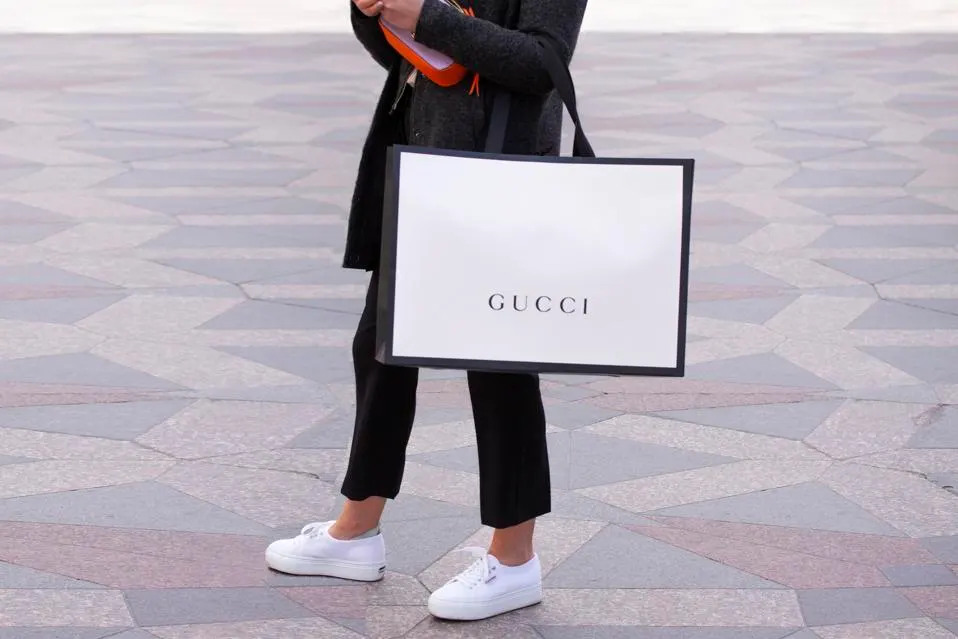
Since its 1921 inception by Guccio Gucci, and with the creative direction of Alessandro Michele and now Sabato de Sarno, Gucci's journey highlights its ability to reinvent and adapt in the ever-changing fashion landscape. This post will explore Gucci's strategies that have upheld its status as a pinnacle of luxury and style.
Innovative Creative Direction
Alessandro Michele's appointment as Creative Director in 2015 marked a pivotal moment in Gucci's history. His idiosyncratic, eclectic, and avant-garde approach to fashion design breathed new life into the brand. Michele's ability to seamlessly blend traditional luxury elements with a modern lifestyle sensibility has captured the imagination of both consumers and the fashion industry. Under his leadership, Gucci's collections were characterised by vibrant colours, bold patterns, and a fusion of high fashion and streetwear, rendering it more relatable to a broader audience.
Now, under the new creative direction of Sabaro de Sano, Gucci seems to be revisiting its roots. In line with their strategy of constant evolution, the brand appears to exude a more subdued and understated aura, departing from its recent opulent vibe.
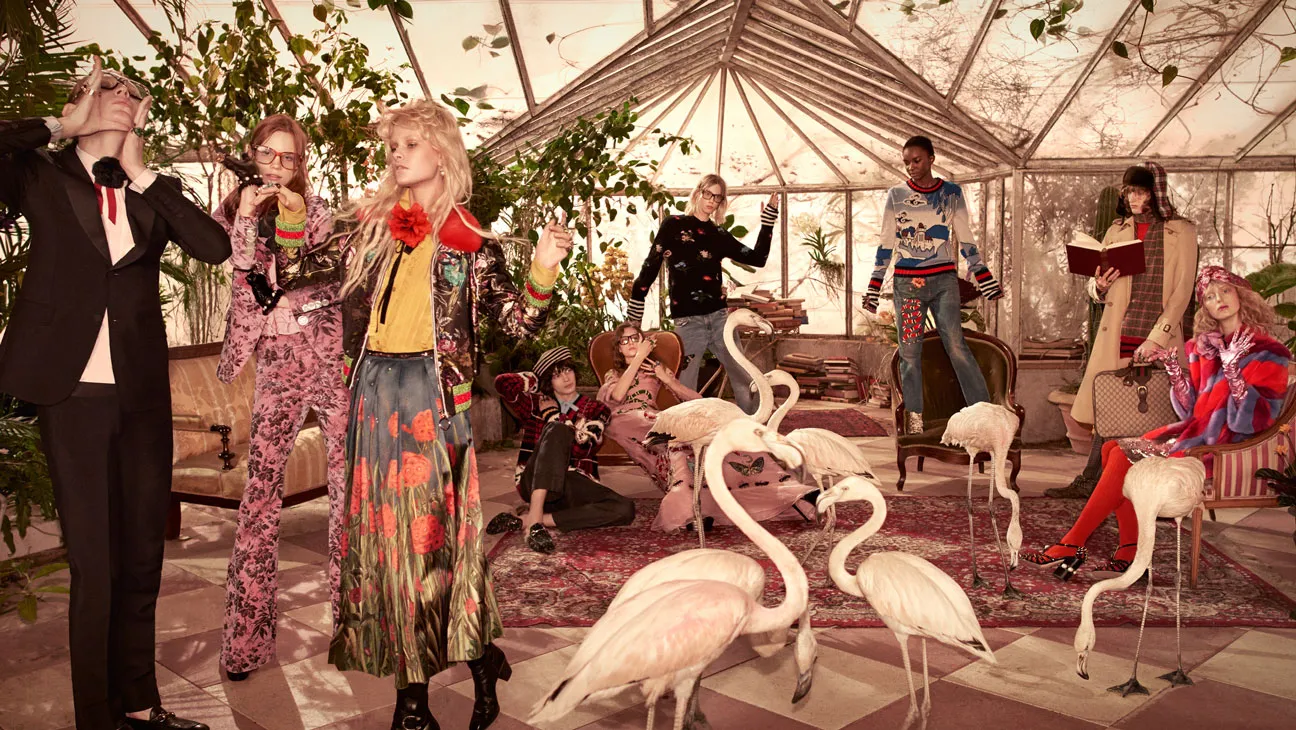
Gucci Fall 2016
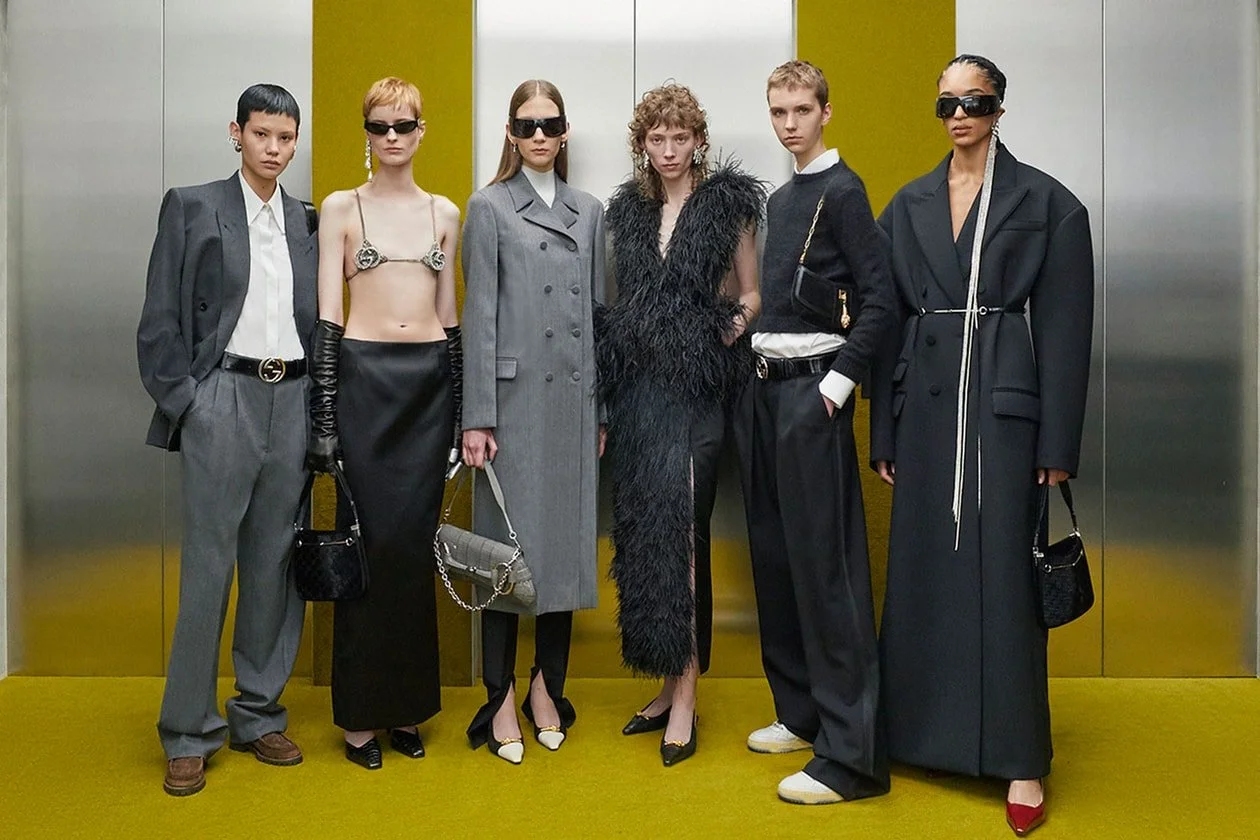
Gucci Fall 2023
Digital and Social Media Savvy
Gucci has embraced the digital era, leveraging social media and technology to connect with its audience. The brand has actively engaged with consumers through various platforms, consistently producing captivating and shareable content.
In July 2020, Gucci teamed up with Snapchat to launch a global augmented reality shoe try-on campaign, using AR lenses for Snapchat users to preview their sneakers. Clever.

Gucci x Snapchat promotion
Sustainable and Ethical Initiatives
In response to growing concerns about sustainability and ethical practices in the fashion industry, Gucci has made a concerted effort to adopt more responsible measures. The brand's commitment to reducing its environmental impact and supporting social causes has resonated with consumers who are increasingly conscious of their purchasing choices. Gucci's decision to go carbon neutral and its support for initiatives like "Chime for Change" are not just ethical choices but also part of its brand strategy to appeal to a more socially conscious audience.
“Gucci is driven by the issues that are fundamentally influencing and creating our collective future. We are committed to generate positive change for people and for nature across our business.”
Marco Bizzarri, Gucci President and CEO
Iconic Branding
Gucci's iconic branding elements, such as the double-G logo and the green-and-red stripes, have become synonymous with luxury and extravagance. The brand has managed to keep these symbols relevant and desirable by incorporating them creatively into its products, while also appealing to nostalgia. Whether it's on handbags, shoes, or apparel, these distinctive motifs remain timeless and recognisable.
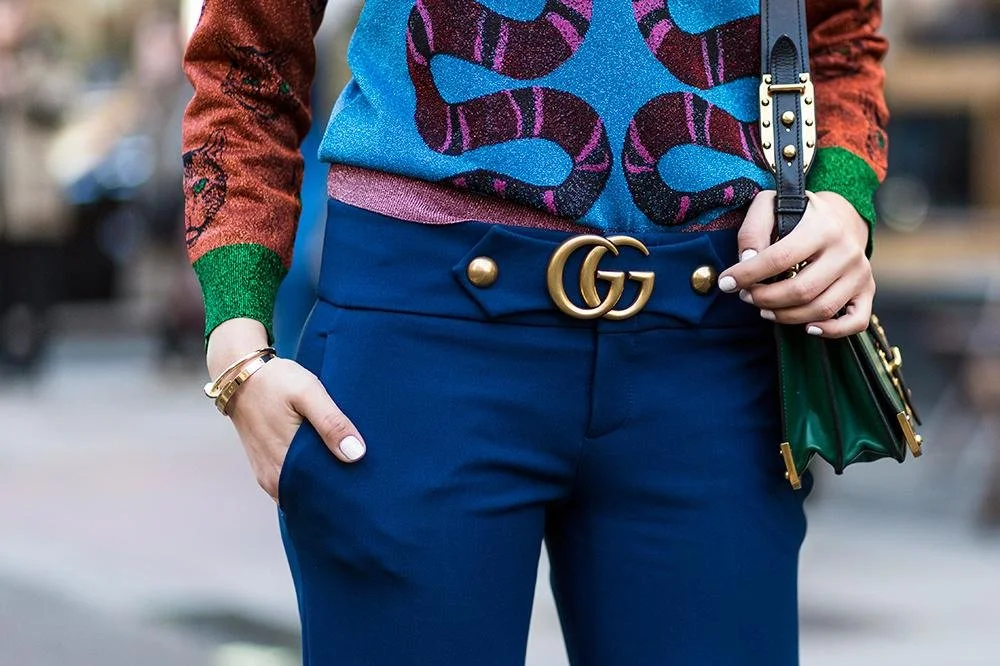
The power of consistent branding - the iconic double G logo
Experiential Retail
Gucci has redefined the luxury shopping experience by creating unique retail spaces. The brand's flagship stores have been transformed into immersive environments, where customers can not only shop but also explore and interact with the brand's universe. Gucci's in-store experience is an extension of its storytelling, allowing consumers to engage with the brand on a deeper level.
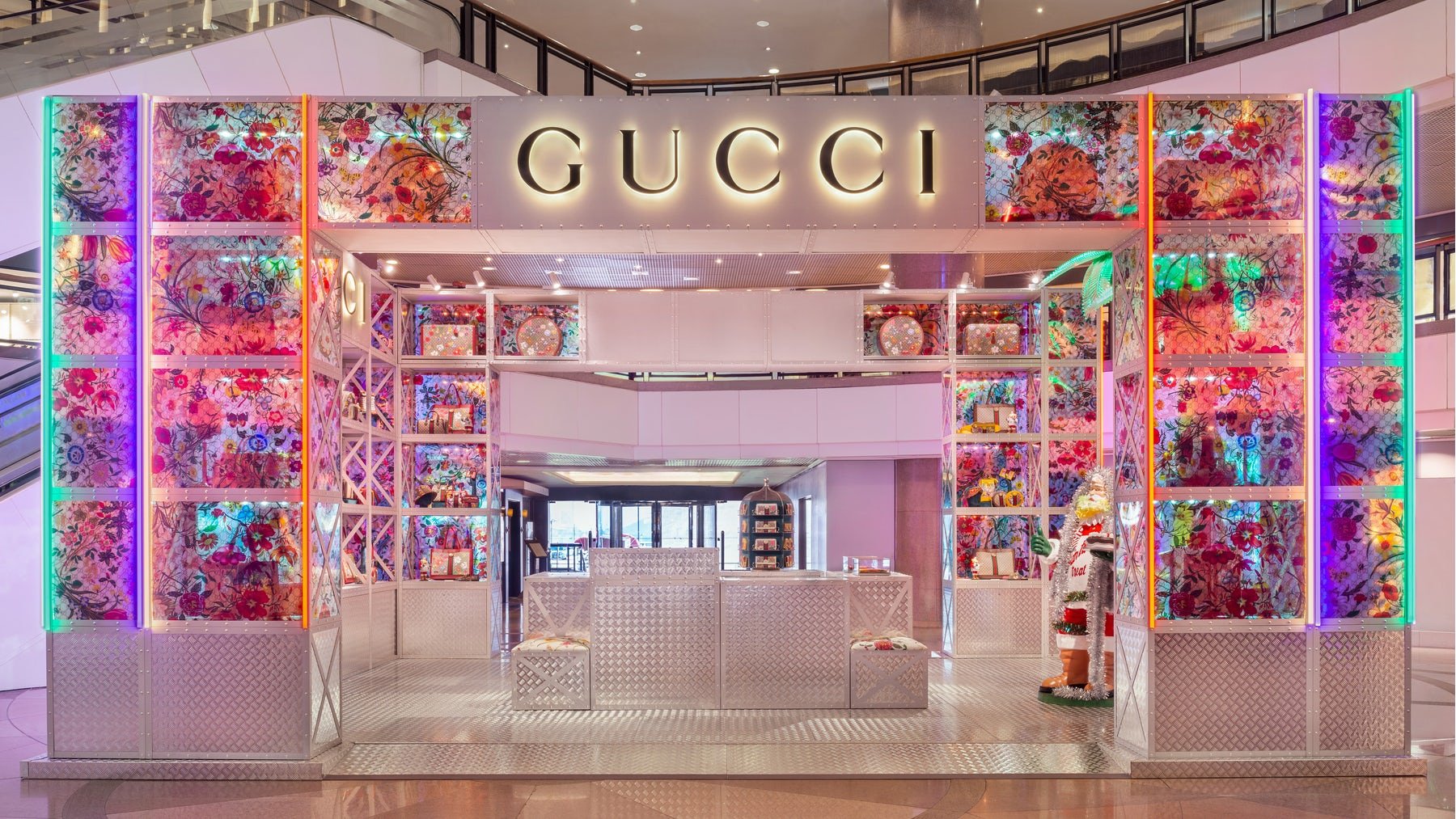
Gucci pop up store in Hong Kong is feeding the growing demand for constant newness
Gucci's long lasting success can be attributed to a combination of innovative creative direction, a savvy digital presence, a commitment to sustainability, iconic branding, and experiential retail. The brand's ability to adapt to changing consumer preferences and societal values while maintaining its luxury status is a testament to its enduring appeal.
